
Even if you brush your teeth every day, it is still possible to notice yellowing over time. A Dentist in North Branford, CT, frequently sees patients who are surprised that their teeth are not as white as expected despite good oral hygiene. The reason is that tooth color is influenced by more than brushing alone, including internal staining, enamel wear, diet, and natural aging. Which is why professional teeth whitening comes to the rescue.

Brushing is important for removing plaque and food particles, but it does not fully address deeper discoloration that develops inside the tooth structure.
Many everyday foods and drinks contain strong pigments that slowly stain teeth. Coffee, tea, red wine, soda, and dark sauces are common examples. Over time, these pigments can penetrate the enamel and cause discoloration that brushing cannot fully remove.
Whitening toothpaste may help improve surface brightness, but it does not reach deep stains embedded within the enamel.
As we get older, tooth enamel naturally becomes thinner. This is a normal process, not necessarily a sign of poor oral care. When enamel wears down, the yellow dentin underneath becomes more visible, making teeth appear darker even if they are healthy.
This is one of the most common reasons people with good brushing habits still notice yellowing.
Daily habits can also contribute to discoloration, even with consistent brushing.
These habits allow stains and plaque to build up gradually, especially in areas that are harder to reach with a toothbrush.
Tooth color changes over time due to both internal and external factors.
Enamel does not regenerate once it wears down. Years of chewing, grinding, and exposure to acids slowly erode it. As enamel becomes thinner, teeth lose their bright white appearance and take on a more yellow tone.
Acidic foods and drinks can also weaken enamel. Common sources include citrus fruits, sports drinks, soft drinks, and vinegar-based foods. Frequent exposure can make enamel more transparent, increasing the appearance of yellowing.
While brushing is essential, it has limitations when it comes to whitening teeth. It mainly targets surface stains and cannot remove deep or internal discoloration.
Whitening toothpaste contains mild abrasives that polish surface stains. However, it does not change the natural color of teeth or reverse deep staining. Overuse of abrasive toothpaste can also contribute to enamel wear.
Regular dental cleanings are necessary to remove tartar buildup that brushing cannot eliminate. These cleanings also help maintain gum health and keep teeth looking cleaner and brighter.
When brushing is not enough, professional treatment can make a noticeable difference in brightness and overall appearance.
In-office whitening uses stronger whitening agents that penetrate deeper into the enamel. This allows for more effective removal of both surface and deep stains. Results are often visible after just one visit.
A dentist evaluates enamel condition, sensitivity, and stain type before treatment. This ensures the whitening process is safe, controlled, and tailored to the patient’s needs, reducing the risk of irritation or uneven results.
After whitening, proper care helps maintain results for a longer time.
Consistent habits help slow down new staining and preserve brightness.
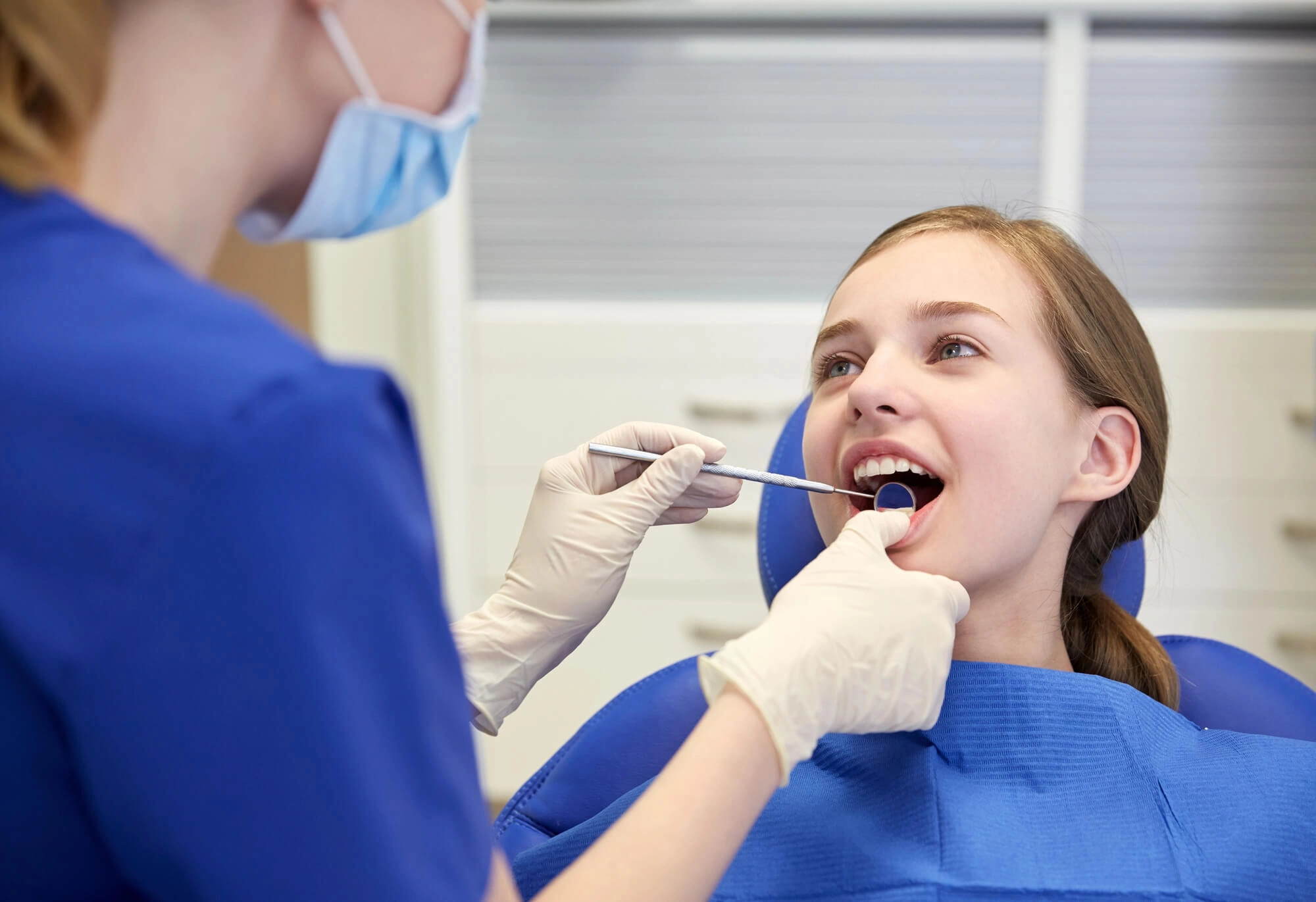
Teeth can still appear yellow even with daily brushing due to enamel thinning, deep staining, lifestyle habits, and natural aging. These factors cannot be fully corrected by brushing alone, which is why professional care is often needed.
Friedler Dental Group can evaluate your smile and provide safe, effective whitening solutions tailored to your needs. For expert cosmetic dental care and lasting results, schedule your visit today and take the next step toward a brighter, more confident smile.

Are you a patient of our practice without dental insurance? Let us take care of your preventive care with our In-House Dental Savings Plan, and save money today!


Our Office Hours
Holiday Hours
.webp)
Navigation
Follow us at


.webp)


