
As we get older, our smiles tell the story of a lifetime—laughing, talking, sharing meals, and staying connected. Aging brings wisdom, confidence, and sometimes a few unexpected dental challenges. One of the biggest is the increased risk of dental caries. Many adults are surprised to learn that cavities remain common well into old age.
If you’re looking to take control of your oral health or help a loved one do the same, your journey often starts with the guidance of a trusted professional, such as a family dentist in Killingworth who understands the needs of aging smiles.

Dry mouth affects many adults over the age of 60. Saliva plays a major role in protecting teeth by neutralizing acids and removing food particles. Medications for blood pressure, allergies, anxiety, pain, and other common conditions can slow saliva production.
Reduced saliva means the mouth becomes more acidic, creating an ideal environment for cavity-causing bacteria. Seniors dealing with persistent dry mouth often experience sticky saliva, difficulty swallowing, and increased plaque buildup—all factors that increase the risk of cavities.
Gums naturally recede with age. When the softer root surface becomes exposed, it’s far more vulnerable to decay than regular enamel. These root cavities can progress quickly and often remain painless until the damage becomes severe.
Many older adults are surprised to learn they have cavities “without feeling anything,” making regular cleanings and exams essential. Exposed roots also trap plaque more easily, especially when brushing becomes physically challenging.
Arthritis, reduced grip strength, vision changes, and cognitive decline can make brushing and flossing harder. Even motivated seniors may struggle to clean effectively.
Missed plaque along the gumline and between teeth often leads to the faster development of cavities. Tools like electric toothbrushes, floss holders, or water flossers can help seniors maintain independence while keeping their teeth clean.
Fillings, crowns, and bridges don’t last forever. Margins can wear down, creating tiny gaps that harbor bacteria. Seniors often have restorations placed decades earlier that now require replacement.
Small leaks around old fillings are one of the most common reasons cavities form in older adults. Routine X-rays help detect early problems before they turn into fractures or infections.
As eating habits change with age, many seniors rely on soft, carb-rich foods that stick to the teeth. When meals become smaller or appetite decreases, grazing becomes more frequent.
Frequent snacking exposes teeth to acids more often throughout the day, raising the risk of cavities. Simple swaps, such as cheese, nuts, fiber-rich fruits, and sugar-free gum, make a significant difference.
Routine exams allow your dentist to catch small issues before they escalate. Seniors benefit from professional cleanings and fluoride treatments that strengthen enamel and root surfaces.
If mobility is a concern, many offices can schedule longer appointments or provide accommodations for comfort.
Sip water often, use sugar-free lozenges, and consider moisturizing mouth rinses. Your dentist can also recommend products specifically designed for individuals with chronic dry mouth.
Electric toothbrushes reduce effort and improve plaque removal. Interdental brushes and water flossers make it easier to clean between teeth without strain.
Older adults respond well to remineralizing treatments. Your dentist may apply fluoride varnish or use SDF to stop small cavities from progressing.
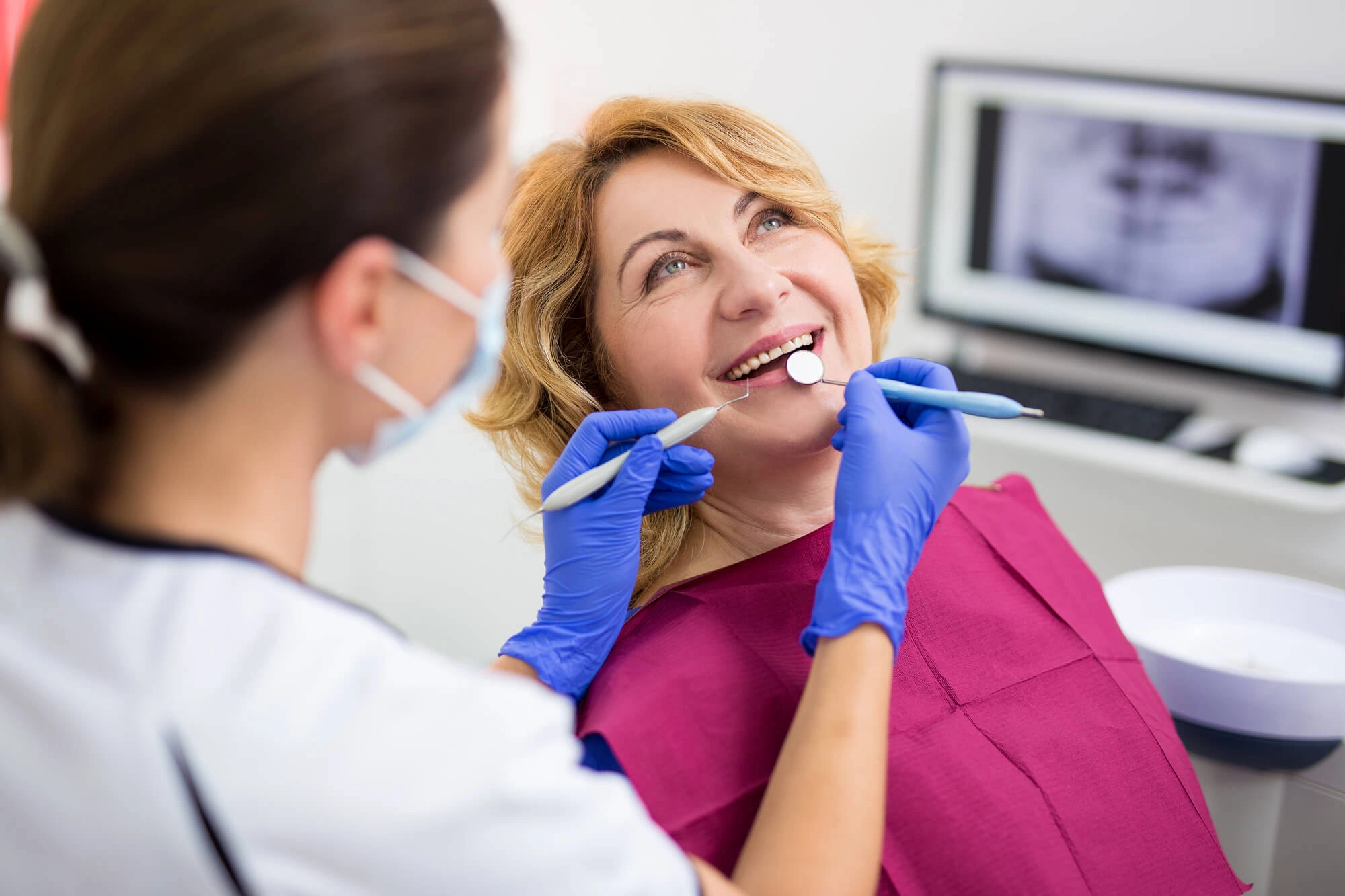
A personalized approach makes prevention easier and more successful. Working with a trusted family dentist helps seniors maintain strong, healthy teeth with tailored advice, preventive treatments, and supportive care.
If you’re ready to keep your smile strong for years to come, connect with Friedler Dental Group today. Our team understands the unique needs of aging adults and offers compassionate, comprehensive care to help you feel confident every time you smile.

Are you a patient of our practice without dental insurance? Let us take care of your preventive care with our In-House Dental Savings Plan, and save money today!


Our Office Hours
Holiday Hours
.webp)
Navigation
Follow us at


.webp)


