Vote for Friedler Dental Group

Protecting a damaged tooth early can often prevent more extensive dental treatment in the future. Visiting a dentist in Guilford, CT, can help determine whether a dental crown is the best solution for restoring a weakened tooth. Dental crowns are designed to strengthen, protect, and restore teeth that have been damaged by decay, injury, or wear, allowing you to maintain a healthy and functional smile.
Protecting a damaged tooth early can often prevent more extensive dental treatment in the future. Visiting a dentist in Guilford, CT, can help determine whether a dental crown is the best solution for restoring a weakened tooth. Dental crowns are designed to strengthen, protect, and restore teeth that have been damaged by decay, injury, or wear, allowing you to maintain a healthy and functional smile.   How Does a Dental Crown Protect a Tooth?   A dental crown is a custom-made restoration that completely covers the visible portion of a damaged tooth. Once bonded into place, the crown restores the tooth's shape, strength, and appearance while protecting it from further damage.   Unlike a filling, which repairs only a small section of a tooth, a crown reinforces the entire tooth structure. This added protection allows many damaged teeth to remain functional for years instead of requiring extraction.   When Is a Dental Crown Recommended?   A dentist may recommend a crown when a tooth can no longer be adequately restored with a filling alone. Crowns provide additional support for teeth that have lost significant structure while preserving as much of the natural tooth as possible.   Common reasons for a dental crown include:   A large cavity that weakens the tooth   A cracked or fractured tooth   A worn-down tooth from grinding or everyday wear   Protection after root canal treatment   Replacing a large, failing filling   Improving the appearance of a severely damaged tooth   Every treatment recommendation is based on the condition of your tooth and your long-term oral health goals.   Can a Crown Prevent Tooth Extraction?   In many cases, yes. One of the primary goals of restorative dentistry is to preserve natural teeth whenever possible. If enough healthy tooth structure remains, a dental crown can strengthen the tooth and restore its function before the damage progresses further.   However, if decay extends below the gumline or the tooth has sustained severe structural damage, extraction may become the only appropriate option. Seeking treatment promptly gives your dentist a better opportunity to save the tooth with a crown.   What Happens During the Dental Crown Procedure?   Receiving a dental crown usually requires two appointments. During the first visit, your dentist removes any decay, reshapes the tooth, and takes detailed impressions to create a custom restoration. A temporary crown is placed to protect the tooth while your permanent crown is being fabricated.   At the second appointment, the permanent crown is carefully checked for fit, comfort, and appearance before being securely bonded into place. The result is a restoration that blends naturally with your surrounding teeth while restoring normal function.   How to Help Your Crown Last   Dental crowns are durable, but proper care is essential for maintaining their longevity.   To protect your crown:   Brush twice daily using fluoride toothpaste.   Floss carefully around the crown every day.   Avoid chewing on hard objects like ice or pens.   Wear a nightguard if you grind your teeth.   Visit your dentist regularly for cleanings and examinations.   Good oral hygiene helps protect both the crowned tooth and the surrounding teeth and gums.   Visit a Dentist in Guilford, CT, Today   If you have a damaged or weakened tooth, a dental crown may provide the protection needed to preserve your natural smile. Early treatment can restore strength, improve function, and reduce the risk of future complications. Friedler Dental Group offers personalized restorative care to help patients maintain healthy, confident smiles. Schedule your consultation today to find out whether a dental crown is the right solution for your dental needs.

How Does a Dental Crown Protect a Tooth?

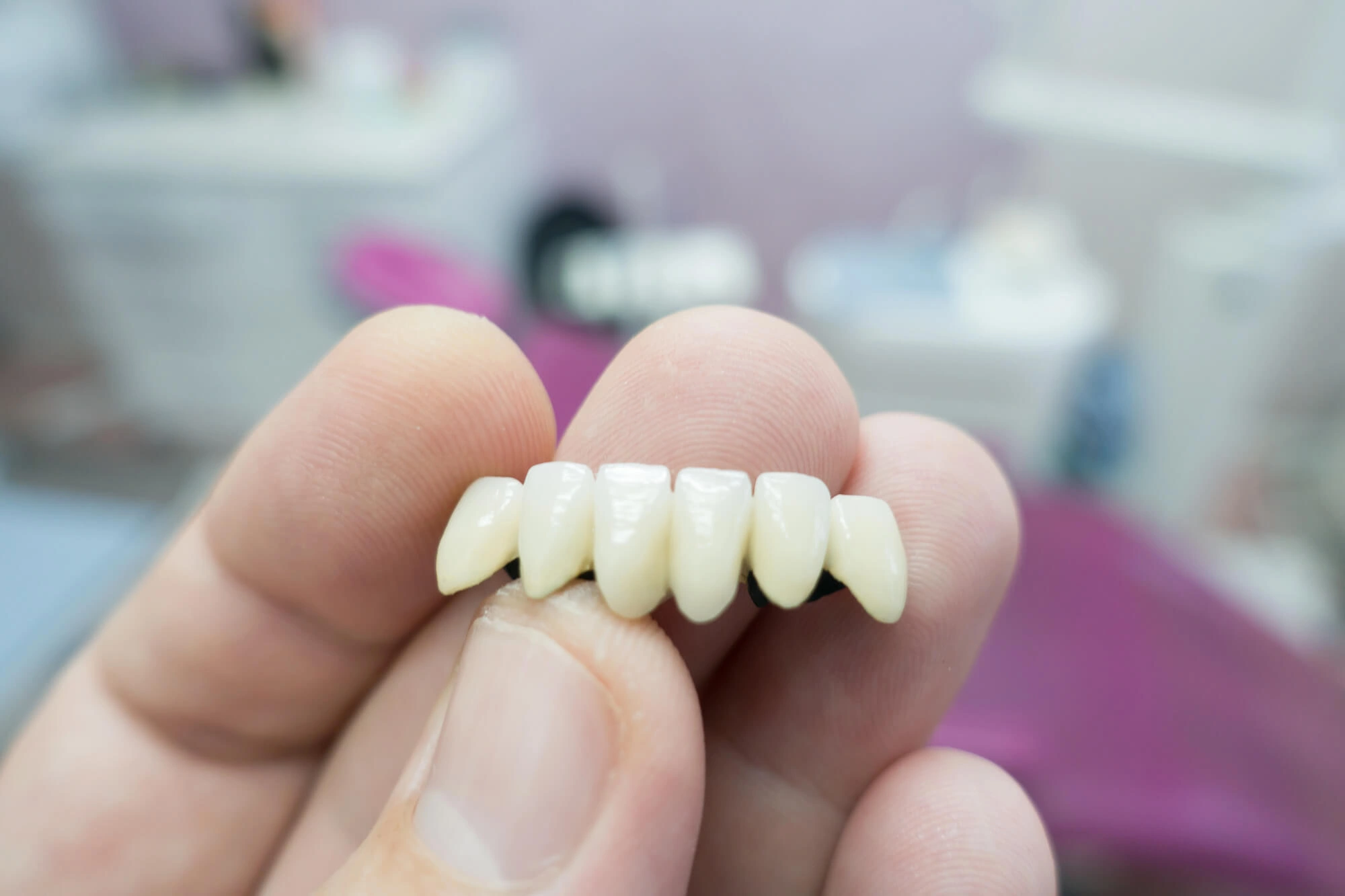
A dental crown is a custom-made restoration that completely covers the visible portion of a damaged tooth. Once bonded into place, the crown restores the tooth's shape, strength, and appearance while protecting it from further damage.

Unlike a filling, which repairs only a small section of a tooth, a crown reinforces the entire tooth structure. This added protection allows many damaged teeth to remain functional for years instead of requiring extraction.

When Is a Dental Crown Recommended?

A dentist may recommend a crown when a tooth can no longer be adequately restored with a filling alone. Crowns provide additional support for teeth that have lost significant structure while preserving as much of the natural tooth as possible.

Common reasons for a dental crown include:

  • A large cavity that weakens the tooth
  • A cracked or fractured tooth
  • Protection after root canal treatment
  • Replacing a large, failing filling
  • Improving the appearance of a severely damaged tooth

Every treatment recommendation is based on the condition of your tooth and your long-term oral health goals.

Can a Crown Prevent Tooth Extraction?

In many cases, yes. One of the primary goals of restorative dentistry is to preserve natural teeth whenever possible. If enough healthy tooth structure remains, a dental crown can strengthen the tooth and restore its function before the damage progresses further.

However, if decay extends below the gumline or the tooth has sustained severe structural damage, extraction may become the only appropriate option. Seeking treatment promptly gives your dentist a better opportunity to save the tooth with a crown.

What Happens During the Dental Crown Procedure?

Receiving a dental crown usually requires two appointments. During the first visit, your dentist removes any decay, reshapes the tooth, and takes detailed impressions to create a custom restoration. A temporary crown is placed to protect the tooth while your permanent crown is being fabricated.

At the second appointment, the permanent crown is carefully checked for fit, comfort, and appearance before being securely bonded into place. The result is a restoration that blends naturally with your surrounding teeth while restoring normal function.

How to Help Your Crown Last

Dental crowns are durable, but proper care is essential for maintaining their longevity.

To protect your crown:

  • Brush twice daily using fluoride toothpaste.
  • Floss carefully around the crown every day.
  • Avoid chewing on hard objects like ice or pens.

Good oral hygiene helps protect both the crowned tooth and the surrounding teeth and gums.

Protecting a damaged tooth early can often prevent more extensive dental treatment in the future. Visiting a dentist in Guilford, CT, can help determine whether a dental crown is the best solution for restoring a weakened tooth. Dental crowns are designed to strengthen, protect, and restore teeth that have been damaged by decay, injury, or wear, allowing you to maintain a healthy and functional smile.   How Does a Dental Crown Protect a Tooth?   A dental crown is a custom-made restoration that completely covers the visible portion of a damaged tooth. Once bonded into place, the crown restores the tooth's shape, strength, and appearance while protecting it from further damage.   Unlike a filling, which repairs only a small section of a tooth, a crown reinforces the entire tooth structure. This added protection allows many damaged teeth to remain functional for years instead of requiring extraction.   When Is a Dental Crown Recommended?   A dentist may recommend a crown when a tooth can no longer be adequately restored with a filling alone. Crowns provide additional support for teeth that have lost significant structure while preserving as much of the natural tooth as possible.   Common reasons for a dental crown include:   A large cavity that weakens the tooth   A cracked or fractured tooth   A worn-down tooth from grinding or everyday wear   Protection after root canal treatment   Replacing a large, failing filling   Improving the appearance of a severely damaged tooth   Every treatment recommendation is based on the condition of your tooth and your long-term oral health goals.   Can a Crown Prevent Tooth Extraction?   In many cases, yes. One of the primary goals of restorative dentistry is to preserve natural teeth whenever possible. If enough healthy tooth structure remains, a dental crown can strengthen the tooth and restore its function before the damage progresses further.   However, if decay extends below the gumline or the tooth has sustained severe structural damage, extraction may become the only appropriate option. Seeking treatment promptly gives your dentist a better opportunity to save the tooth with a crown.   What Happens During the Dental Crown Procedure?   Receiving a dental crown usually requires two appointments. During the first visit, your dentist removes any decay, reshapes the tooth, and takes detailed impressions to create a custom restoration. A temporary crown is placed to protect the tooth while your permanent crown is being fabricated.   At the second appointment, the permanent crown is carefully checked for fit, comfort, and appearance before being securely bonded into place. The result is a restoration that blends naturally with your surrounding teeth while restoring normal function.   How to Help Your Crown Last   Dental crowns are durable, but proper care is essential for maintaining their longevity.   To protect your crown:   Brush twice daily using fluoride toothpaste.   Floss carefully around the crown every day.   Avoid chewing on hard objects like ice or pens.   Wear a nightguard if you grind your teeth.   Visit your dentist regularly for cleanings and examinations.   Good oral hygiene helps protect both the crowned tooth and the surrounding teeth and gums.   Visit a Dentist in Guilford, CT, Today   If you have a damaged or weakened tooth, a dental crown may provide the protection needed to preserve your natural smile. Early treatment can restore strength, improve function, and reduce the risk of future complications. Friedler Dental Group offers personalized restorative care to help patients maintain healthy, confident smiles. Schedule your consultation today to find out whether a dental crown is the right solution for your dental needs.

Visit a Dentist in Guilford, CT, Today

If you have a damaged or weakened tooth, a dental crown may provide the protection needed to preserve your natural smile. Early treatment can restore strength, improve function, and reduce the risk of future complications. Friedler Dental Group offers personalized restorative care to help patients maintain healthy, confident smiles. Schedule your consultation today to find out whether a dental crown is the right solution for your dental needs.

Dr. Alan P. Friedler and Dr. Melissa Volpe Merwin smiling at the camera

No Insurance? No Worry!

Are you a patient of our practice without dental insurance? Let us take care of your preventive care with our In-House Dental Savings Plan, and save money today!

phone logo
Call Us (203) 245-7575
In House Dental Savings Plan Logo

Our Office Hours

Monday
8 AM - 5 PM
Tuesday
8 AM - 5 PM
Wednesday
8 AM - 5 PM
Thursday
8 AM - 5 PM
Friday
Closed
Saturday
Closed
Sunday
Closed

Holiday Hours

December 24th-26th
Closed
December 31st
Closed
January 1st
Closed

Want an Appointment Quickly?

Request an appointment in a few steps!

Book Appointment

Contact Us

Thank you! Your submission has been received!
Oops! Something went wrong while submitting the form.